-
E-mail
market@exponentsci.com
-
Phone
13322809603
-
Address
Room 403, Building B, Huicheng Building, No. 602 Guangshan 2nd Road, Tianhe District, Guangzhou City
Aibo Neng (Guangzhou) Science and Technology Co., Ltd
Early detection of soybean yield reduction risk: daylight induced chlorophyll fluorescence technology helps stabilize production management
Date: 2025-11-07Read: 1
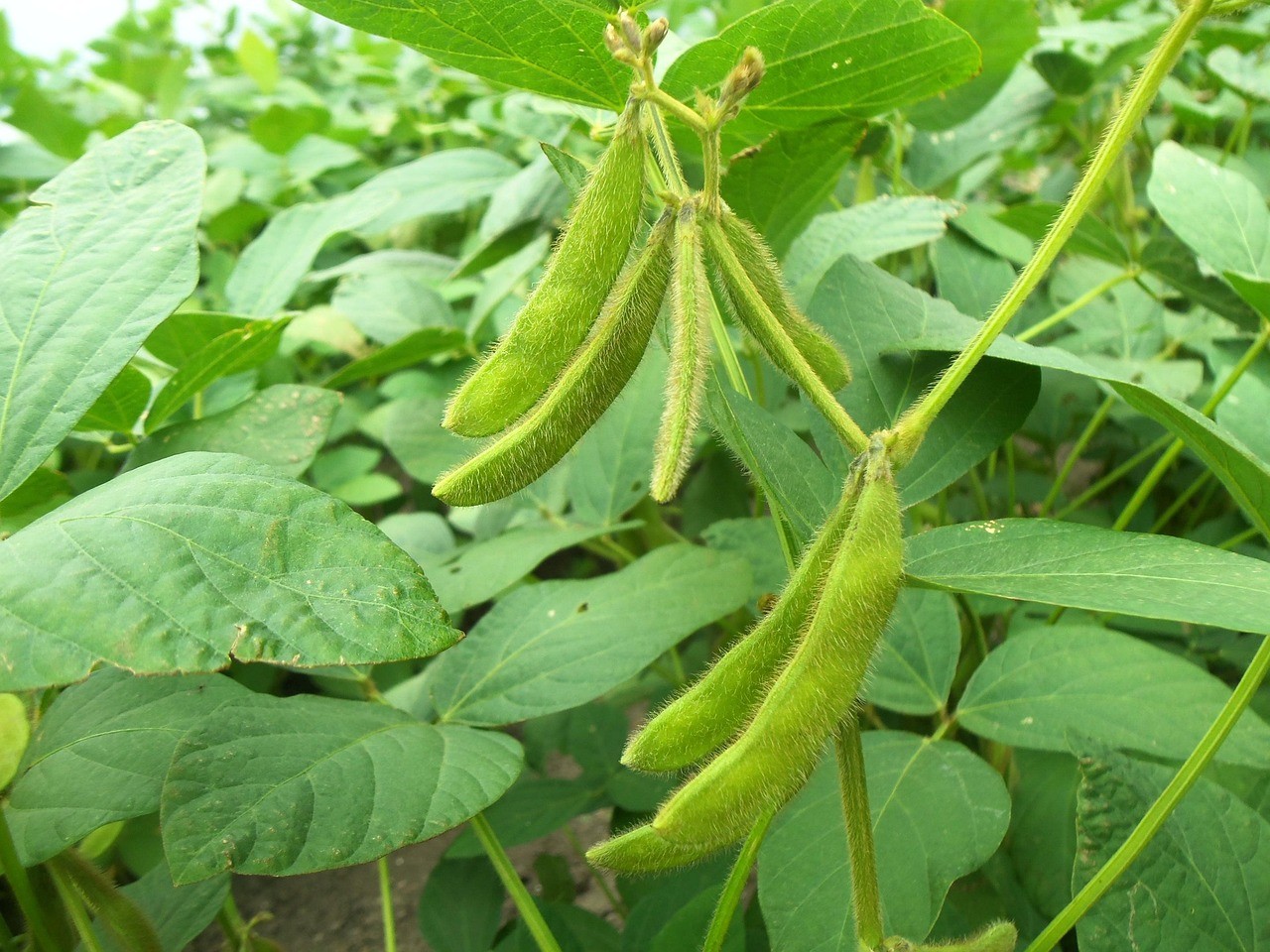
Early Detection of Soybean Yield Reduction Risk: SIF Technology Supports Stable Yield Management
In previous articles, we introduced the basic principles of daylight induced chlorophyll fluorescence (SIF) and its widespread applications in ecosystems such as forests and wetlands.
In this issue, we will focus on soybean, an important crop, and explore how SIF technology can early monitor environmental stress (such as high temperature, drought, etc.) to warn of the ultimate risk of yield reduction, becoming a key tool for ensuring stable production management.
In previous articles, we introduced the basic principles of Sun-Induced Chlorophyll Fluorescence (SIF) and its broad applications in ecosystems such as forests and wetlands.
This issue focuses on the important crop of soybean, exploring how SIF technology can serve as a key tool for ensuring stable yield management by early monitoring of environmental stresses (e.g., high temperature, drought) to warn of potential yield losses.
Relationship Between SIF and Soybean Photosynthesis
SIF is a small portion of the light energy emitted by chlorophyll molecules after plants absorb sunlight. It is closely related to the primary productivity (GPP) of photosynthesis and is considered an effective alternative indicator for evaluating GPP.
The generation of SIF signal originates from the photochemical reaction of photosystem II (PSII), and its intensity is dynamically regulated by light intensity, chlorophyll content, and light energy allocation pathways. Research has shown that there is a significant linear or nonlinear relationship between SIF and GPP, making SIF an important tool for monitoring vegetation photosynthesis.
Due to the direct correlation between SIF and the process of photosynthesis, when soybeans are subjected to environmental stress, their photosynthetic mechanisms are affected, leading to changes in SIF signals. This provides a theoretical basis for using SIF to monitor soybean environmental stress.
SIF is a small portion of light energy re-emitted by chlorophyll molecules after plants absorb sunlight. It is closely related to Gross Primary Production (GPP) and is considered an effective proxy for assessing GPP.
The generation of SIF signals originates from the photochemical reactions of Photosystem II (PSII). Their intensity is dynamically regulated by light intensity, chlorophyll content, and the pathways of light energy allocation (photochemistry, non-photochemical quenching, and fluorescence). Research shows significant linear or nonlinear relationships between SIF and GPP, making SIF an important means for monitoring vegetation photosynthesis.
Since SIF is directly linked to the photosynthesis process, when soybeans encounter environmental stress, their photosynthetic apparatus is affected, leading to changes in SIF signals. This provides a theoretical basis for using SIF to monitor environmental stress in soybeans.
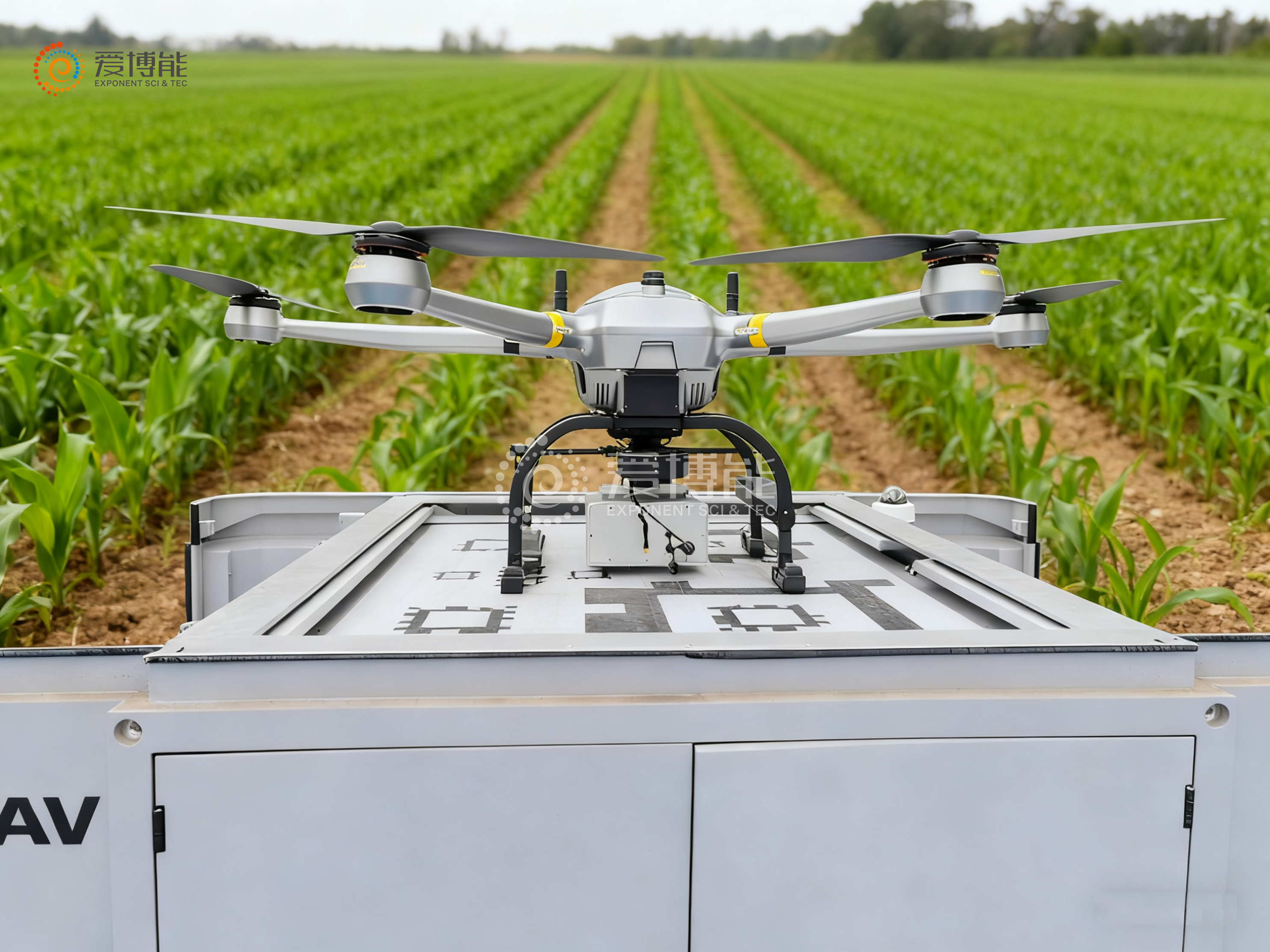
Image: iBoneng drone carrying sunlight induced chlorophyll fluorescence monitoring system, ABN-SIF-UAV。 The system can achieve non-destructive monitoring of large-scale farmland by detecting daylight induced chlorophyll fluorescence (SIF), accurately evaluate crop growth, and provide key data for early warning of pests, diseases, and water and fertilizer stress.
ABN-SIF-UAV Unmanned Aerial Vehicle-borne Sun-Induced Chlorophyll Fluorescence Monitoring System by Exponentsci. This system detects Sun-Induced Chlorophyll Fluorescence (SIF), enabling non-destructive monitoring of large-scale farmland, accurately assessing crop growth status, and providing critical data for early warning of pests, diseases, and water/fertilizer stresses.
2. Application of SIF in Detecting Environmental Stress in Soybeans
High temperature stress:High temperature and its accompanying high water vapor pressure difference usually affect plants, but do not cause significant changes in canopy structure or spectral characteristics. SIF, due to its association with photosynthesis, can better detect this stress. For example, a study quantified the effect of high temperature on soybean canopy photosynthesis using SIF through the Temperature Free Air Control Enhanced (T-FACE) experiment. Soybeans under high heat conditions can affect specific leaf weight, stomatal density, photosynthesis, and chlorophyll fluorescence parameters.
High-Temperature Stress:High temperature and accompanying high vapor pressure deficit often affect plants without causing obvious changes in canopy structure or spectral characteristics. Due to its connection to photosynthesis, SIF can better detect such stress. For example, one study used the Temperature Free-Air Controlled Enhancement (T-FACE) experiment to quantify the impact of high temperature on soybean canopy photosynthesis using SIF. Under high-temperature conditions, soybeans experience changes in specific leaf weight, stomatal density, photosynthesis, and chlorophyll fluorescence parameters.
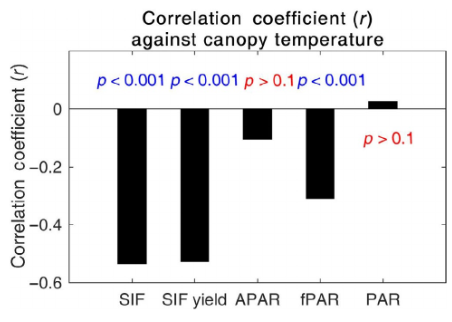
The correlation coefficient (r) between daylight induced chlorophyll fluorescence (SIF), SIF yield, absorbed photosynthetically active radiation (APAR), whole canopy APAR absorption ratio (fAPAR), and photosynthetically active radiation (PAR) and canopy temperature.
Correlation coefficients (r) between Sun-Induced Chlorophyll Fluorescence (SIF), SIF yield, Absorbed Photosynthetically Active Radiation (APAR), fraction of whole canopy APAR (fAPAR), and PAR against canopy temperature.
Ozone stress:High concentrations of ozone can lead to a significant decrease in soybean canopy SIF760, especially in the later stages of growth (36%), indicating that SIF can effectively capture the effects of ozone on soybean canopy structure and accelerated aging. Ozone stress can also have a synergistic effect with reduced radiation, affecting the chlorophyll fluorescence characteristics and yield of soybeans.
Ozone Stress:High ozone concentrations cause a significant decrease in soybean canopy SIF760, particularly during later growth stages (up to 36% reduction). This indicates that SIF can effectively capture ozone's impact on canopy structure and accelerated senescence in soybeans. Ozone stress also interacts with reduced radiation, affecting soybean chlorophyll fluorescence characteristics and yield.

The measurement results of SIF760 (A) at the top of the canopy, photosynthetically active radiation PAR (B), green vegetation photosynthetically active radiation absorption ratio FPARGreen (C), and apparent SIF yield (D) observed throughout the soybean growing season correspond to soybeans grown under environmental ozone concentration (white bar) and elevated ozone concentration (gray bar) conditions, respectively. *The difference is significant (P<0.05).
Measured top-of-canopy SIF760 (A), PAR (B), FPARgreen (C), and apparent SIF yield (D) throughout the growing season in soybeans grown under ambient O ₃ (white bars) and elevated O ₃ (grey bars). * indicates significant differences between treatments at each measurement date (P < 0.05).
Other coercion:
Lack of water will force stomata to close, thereby inhibiting photosynthesis and transpiration. This process can cause changes in non photochemical quenching and photosynthetic electron transfer, and SIF signals are very sensitive to these small changes.
Bisphenol A (BPA), as an environmental endocrine disruptor, has significant effects on the growth, photosynthesis, and chlorophyll fluorescence parameters (such as initial fluorescence, maximum photochemical efficiency, PSII effective quantum yield, and photosynthetic electron transfer rate) of soybean seedlings. SIF technology can detect these changes.
Water Deficit: Water shortage forces stomatal closure, thereby inhibiting photosynthesis and transpiration. This process induces changes in non-photochemical quenching and photosynthetic electron transport, to which SIF signals are highly sensitive.
Bisphenol A (BPA): As an environmental endocrine disruptor, BPA significantly affects the growth, photosynthesis, and chlorophyll fluorescence parameters (such as initial fluorescence, maximum photochemical efficiency, effective quantum yield of PSII, and photosynthetic electron transport rate) of soybean seedlings. SIF technology can detect these changes.
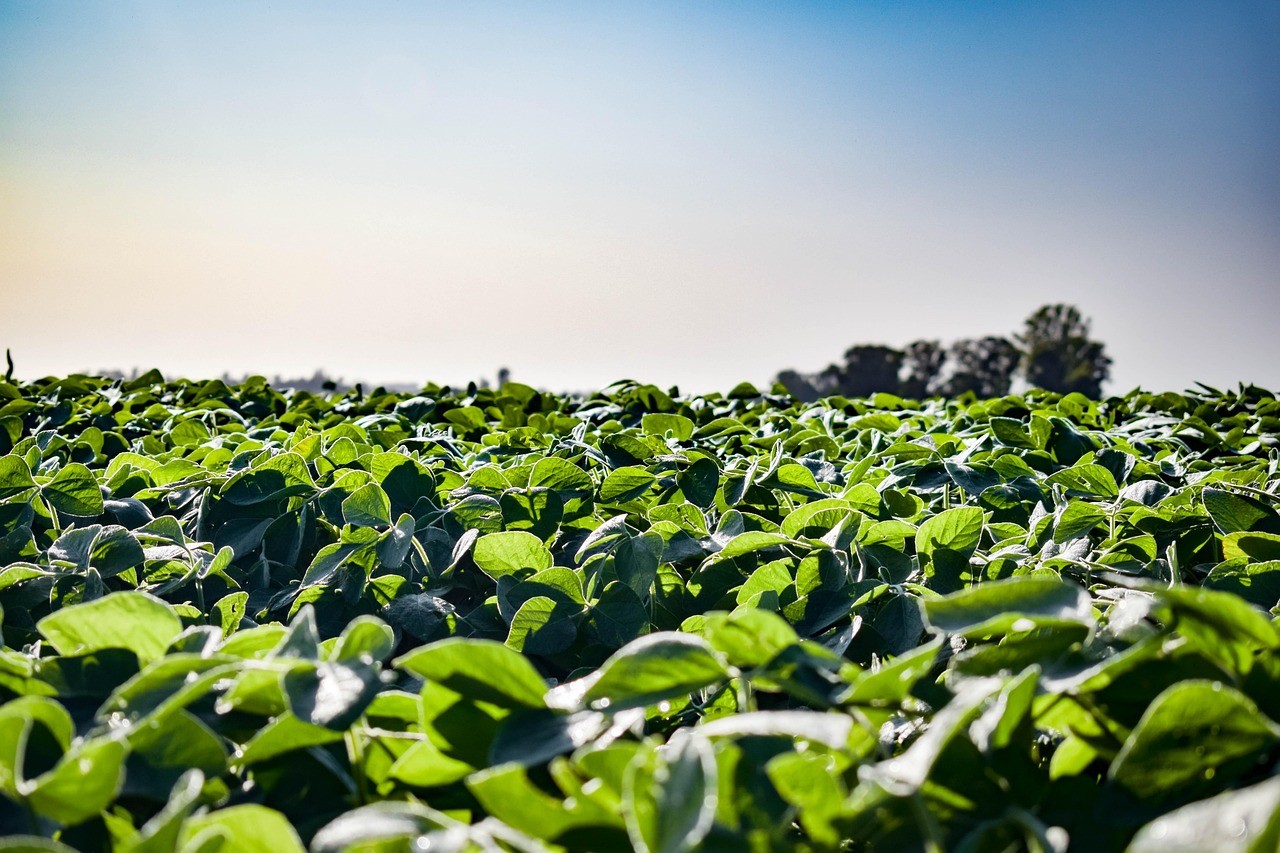
The daylight induced chlorophyll fluorescence (SIF) technology provides a direct and non-invasive method for monitoring environmental stress in soybeans by capturing light signals directly related to the mechanism of photosynthesis. By utilizing this technology, we can more timely grasp the health status of crops, providing important technical support for precision agriculture management and ensuring stable crop production.
Sun-Induced Chlorophyll Fluorescence (SIF) technology provides a direct, non-invasive method for monitoring environmental stress in soybeans by capturing light signals directly linked to the mechanism of photosynthesis. Utilizing this technology enables more timely assessment of crop health, offering important technical support for precision agriculture management and ensuring stable crop yields.
Case source/Sources:
1. KQuantifying high‐temperature stress on soybean canopy photosynthesis: The unique role of sun‐induced chlorophyll fluorescence. (2021)
2. Quantifying high-temperature stress on canopy photosynthesis at the Temperature Free-Air Controlled Enhancement (T-FACE) experiment: the unique role of sun-induced chlorophyll fluorescence in capturing plant physiological stress. (2020)
3. Solar-induced chlorophyll fluorescence captures the effects of elevated ozone on canopy structure and acceleration of senescence in soybean. (2023)
4. Effects of bisphenol A on growth, photosynthesis and chlorophyll fluorescence in above-ground organs of soybean seedlings. (2013)